


How American Historical Movies Address the Legacy of Slavery
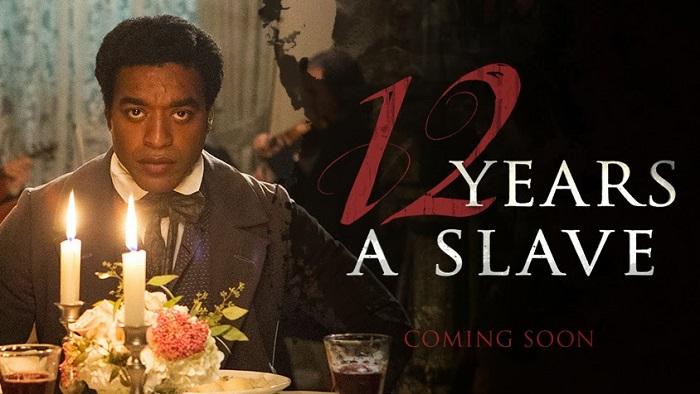
American Historical Movies often confront the legacy of slavery by blending narrative storytelling with cultural memory, revealing how personal experiences, national trauma, and political change intersect. These films function not only as artistic works but also as public conversations about justice, identity, and historical truth. Through carefully crafted characters, detailed production design, and emotionally charged plots, filmmakers explore the lasting consequences of slavery on American society. In doing so, they reveal how cinema shapes modern understanding of the past. This article examines how American Historical Movies engage with the legacy of slavery, focusing on themes, visual strategies, and influential films that contribute to this ongoing cultural dialogue.
The Power of Cinema in Revisiting History
Film as a Tool for Cultural Memory
American Historical Movies that address slavery often act as bridges between the past and present. These films allow viewers to witness the brutality, resilience, and complexity of enslaved life in ways that written history alone cannot convey. They use visual narrative to give emotional immediacy to historical events. Their scenes allow audiences to feel the weight of oppression and the courage required for survival. This emotional experience builds collective memory.
Movies like 12 Years a Slave, Glory, and Amistad bring to life environments that historians can describe but cannot animate. Through lighting, sound, and performance, filmmakers recreate the sensory world of the nineteenth century. They help viewers understand the psychological and physical realities of bondage. These cinematic choices ensure that slavery is not abstract but embodied, personal, and human.
The Role of Historical Accuracy and Artistic Interpretation
American Historical Movies often balance authenticity with narrative structure. Filmmakers consult archives, diaries, and academic historians to ground their stories in fact. However, they also use artistic interpretation to shape character arcs, heighten drama, or emphasize moral lessons. This balance allows movies to be engaging while still honoring historical truth.
In Amistad, for example, the legal struggle for the freedom of the Mende captives is historically documented. Yet the film uses emotional monologues and symbolic imagery to deepen the audience’s connection to the story. By doing so, it shows how slavery shaped national debates about humanity, citizenship, and justice.
Representations of Enslaved Lives in Film
Depicting Everyday Survival and Resistance
One of the most significant contributions of American Historical Movies is their portrayal of daily life under slavery. Films like 12 Years a Slave examine the small acts of resistance that helped enslaved people survive. These actions often include maintaining cultural traditions, forming family bonds, and protecting dignity.
In 12 Years a Slave, the protagonist Solomon Northup struggles to preserve his identity as a free man despite his forced servitude. The film shows how resistance can be subtle, internal, and psychological. It reveals that survival itself can be a form of defiance.
Emphasizing Community and Cultural Strength
Many movies also highlight the cultural resilience of enslaved communities. Music, religion, and storytelling become sources of strength. In Beloved, adapted from Toni Morrison’s novel, memory and spirituality play central roles. The film explores how trauma shapes identity and how community helps individuals endure suffering. Its dreamlike sequences illustrate the haunting legacy of slavery, showing how the past continues to influence the present.
Through these portrayals, American Historical Movies reveal that the enslaved were not passive subjects but active participants in their own emotional and cultural survival.
The Political Legacy of Slavery in Film Narratives
Exploring the Legal and Social Structures of Oppression
Some films examine the legal frameworks that sustained slavery. Glory, which focuses on the 54th Massachusetts Infantry Regiment, demonstrates how African Americans fought not only for the Union but also for recognition, equality, and dignity. The film addresses pay inequality, racial discrimination, and the broader political context of the Civil War.
By showing how legal structures reinforced inequality, the film highlights how deeply embedded these systems were. This portrayal helps modern audiences understand why the effects of slavery persist in society today.
Revealing the Roots of Racial Tension
American Historical Movies often explore the origins of racial conflict in America. Django Unchained, while stylized and fictionalized, uses exaggerated violence and dramatic contrast to emphasize the brutality of slavery. Its bold narrative invites viewers to question the mythic narratives of American heroism often portrayed in classic Westerns. It confronts the audience with the reality that the nation’s early prosperity was built on exploitation and violence.
Even though the film takes a more fantastical approach, it stimulates conversations about race, justice, and fantasy in historical storytelling. Its approach demonstrates how genre-bending can expand public awareness of historical trauma.
The Emotional Impact of Cinematic Storytelling
Using Personal Stories to Humanize History
Personal narratives allow filmmakers to connect large-scale history with individual experiences. Movies like 12 Years a Slave and Harriet focus on single protagonists whose journeys reflect the broader oppression faced by millions. These characters become emotional focal points that guide viewers through historical landscapes.
The story of Harriet Tubman, portrayed in Harriet, blends action and biography to show how one woman’s courage transformed countless lives. The film reveals how slavery produced leaders who fought not only for their own freedom but also for the liberation of others. This approach emphasizes the individual agency that flourished despite oppression.
Confronting Trauma Through Visual Language
American Historical Movies about slavery often employ visual symbolism to express trauma. Shadows, confined spaces, and handheld camera movement are frequently used to depict fear and instability. Bright, open landscapes may contrast with scenes of violence, underscoring the tension between beauty and horror.
In 12 Years a Slave, director Steve McQueen uses long takes to force viewers to confront cruelty without escape. This technique denies audiences the comfort of emotional distance. It makes the suffering of enslaved individuals impossible to ignore, thereby preserving the historical truth of their experiences.
The Ongoing Influence of Slavery-Themed Films
Shaping Contemporary Conversations about Race
American Historical Movies contribute significantly to modern discussions on race and equality. By revisiting the past, they remind audiences of the origins of systemic oppression. Films like Selma, while set during the Civil Rights Movement, show the long trajectory from slavery to modern racial injustice. They highlight how history shapes contemporary issues.
These films encourage viewers to reflect on their own society. They show that the legacy of slavery is not confined to the past but remains deeply interwoven with modern culture, law, and identity.
Changing How History Is Taught and Remembered
Many educators use films to supplement historical study. Because movies offer sensory and emotional experiences, they give students a more vivid understanding of the past. While they must be analyzed critically, these films can correct misconceptions and spark important conversations.
Through their widespread reach, American Historical Movies shape collective memory. They ensure that the legacy of slavery remains visible, understood, and discussed across generations.
Conclusion
American Historical Movies address the legacy of slavery by portraying personal stories, exposing political structures, exploring cultural survival, and shaping national memory. They give audiences an emotional connection to the past while encouraging deep reflection on present-day issues. By revisiting history through film, viewers gain insight into the resilience of enslaved people and the enduring influence of slavery on American identity. These movies not only preserve history but also challenge audiences to confront its consequences, making them essential tools in the ongoing examination of America’s moral and cultural landscape.
 Spanish
 English
 Arabic
 French
 Portuguese
 Deutsch
 Turkish
 Dutch
Dutch
 Italiano
 Russian
 Romaian
 Portuguese (Brazil)
 Greek
Greek